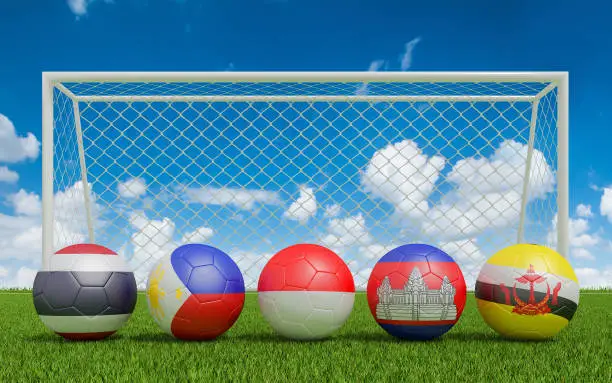
The concept of this competition is totally different from the past World Cup as it is co-hosted. The development points to make football more worldwide and give openings for more groups. This time the scale of the competition is much greater than some time recently, and fans will get to observe more matches. This unused framework has made fervor and, moreover, raised a few concerns. In this article, the preferences and impediments of this multi-host framework are talked about in detail to clearly understand them.
Unused arrangements for World Cup 2026
The arrangement of the 2026 World Cup is totally distinctive from the past ones. This time, the number of groups has been expanded, making the occasion more competitive. The concept of different nations gives the competition an interesting character. Each nation will have matches in its claim locale. This broadens the scope of football and permits more individuals to observe the occasion. FIFA aims to advance worldwide support through this arrangement. But with this development, the level of arranging and execution also gets to be more advanced. It is exceptionally vital to oversee everything in idealized harmony.

Working together with three locals
The joined-together United States, Canada, and Mexico mutually facilitating the World Glass illustrates a solid worldwide association. This association moreover advances strategy through sports. Each nation will have matches in its own stadiums and cities. It gives presentations to diverse societies and offers assorted involvement to fans. This cooperative energy moves forward both tourism and universal relations. Each nation employs its qualities to make the occasion a victory. Be that as it may, overseeing distinctive frameworks and approaches at the same time is challenging and requires solid communication and planning.
Twelve Scopes of Framework and Development
A major advantage of a multi-host world glass is the improvement of foundation. Each nation updates its stadiums and presents unused offices. Transportation systems have also progressed to make travel less demanding for fans and groups. The inn and neighborliness segment, moreover, is encountering noteworthy development. The United States, Canada, and Mexico, joined together, as of now have a solid foundation and require modernization. This speculation has long-term benefits, as these offices are well utilized for future occasions. Be that as it may, support and operational coordination stay a consistent challenge.
Monetary Benefits and Financial Growth
The FIFA World Cup 2026 gives tremendous financial benefits to all three nations. When worldwide fans travel, the tourism industry gets a coordinated boost. Requests for inns, eateries, and transport administrations increases. Nearby businesses too see development openings. Sponsorship and promoting bargains increment altogether. The cost of broadcasting rights, too, comes to record levels. Governments get a brief boost in income, which bolsters the neighborhood economy. In any case, it too comes with tall levels of use, which can become a burden without planning.
Worldwide Presentation and Social Trade
Multi-host organization and worldwide exposure
The greatest advantage of the multi-host arrangement is the worldwide introduction where the United States, Canada, and Mexico show their personalities and societies to the world. This gives a solid boost to worldwide tourism and worldwide branding.
Social trade and fan experience
Fans have an interesting opportunity to investigate different societies, which cultivates social trade. This interaction brings the world closer together and makes football not fair but a means of worldwide communication.
Showcasing openings and perceivability challenges
Sports brands and companies have gotten to a worldwide group of onlookers, which makes a rich array of promoting and sponsorship openings. Be that as it may, contrasts in perceivability between nations can in some cases make awkward natures, making arranging challenging.
The Best Fan Involvement
- The 2026 World Cup got to be an extraordinary and fantastic occasion for fans.
- Fans can travel to diverse nations to appreciate live matches.
- The special air of each zone makes the occasion more energizing and colorful.
- Modern stadiums and state-of-the-art offices essentially make strides in the fan experience.
- Digital ticketing and online frameworks disentangle the coordinated getting-to and booking process.
The Challenge of Travel and Fatigue
Having different nations essentially increases travel. Groups and fans are constrained to take long-haul flights. This increases physical weakness and mental stress. Players have less time to recoup, which can influence execution. The distinction in time zones, moreover, makes alteration troublesome. Coaches have to carefully oversee squad turns. The coordination framework gets to be exceptionally complicated. This calculation is considered a major downside of this tournament.

Administration and Coordination Issues
Managing an occasion including three nations at the same time is a complex assignment. Each nation has its own authoritative rules and frameworks. Security conventions and visa forms also contrast. Cutting-edge communication frameworks are utilized for coordination. Adjusting the planning is too troublesome. Any delay or misconception can influence the occasion. FIFA will have to closely screen everything. This level of coordination requires involvement and planning.
Money-related Challenges and Investments
In a multi-host world, the costs are shared, but the added venture scale is tremendous. Stadium updates and foundation and security courses of action are costly. Each nation contributes according to its budget. But unforeseen costs can, moreover, emerge, which carry weight. Indeed, little cities confront budgetary challenges. The utilization of open reserves is sometimes a matter of talk. It is critical to get the long-term benefits, or the short-term burden gets to be great as well.
Natural Affect and Sustainability
Major occasions like the World Container, moreover, have a natural effect. Universal travel increases carbon emanations. Development exercises put weight on normal assets. Vitality utilization amid the competition is, moreover, very tough. FIFA and the nations have presented green activities. Renewable vitality and ecologically neighborly arrangements are advanced. Squander administration frameworks have, moreover, made strides. But making such a large-scale occasion totally naturally neighborly is difficult.
Competitive Adjust and Reasonableness Issues
Maintaining competitive adjustment in a multi-host framework is troublesome. Each group plays in distinctive nations and climates. Climate conditions and stadium situations influence execution. A few groups have to travel broadly, which is negative. FIFA implements strict rules to keep up reasonableness. In any case, a few contrasts are normal. Players confront a test of versatility, which makes the competition indeed tougher.

Conclusion
The multi-host demonstration for the 2026 FIFA World Cup is a critical alteration in football history. This framework has cultivated worldwide participation and made the donation more comprehensive. It has numerous benefits, such as financial advancement, social trade, and worldwide presentation. Be that as it may, it, moreover, comes with challenges, such as travel weariness, coordination issues, and natural concerns. The victory of this competition depends on solid arranging and execution. By and large, this World Container is introducing an unused period of advanced football that may set a point of reference for future competitions.